
Teeth grinding affects many adults, yet it often goes unnoticed until the symptoms become hard to ignore. According to the National Institute of Dental and Craniofacial Research, severe bruxism can lead to damaged teeth, jaw pain, and headaches. At Butler Family Dental, we meet patients across Eugene who are looking for relief from chronic clenching and grinding. Many ask whether Botox for bruxism may help when other treatments have not worked.
The good news is that dental care in Eugene now offers more options than ever for teeth grinding. More people are learning how Botox may help reduce jaw tension and protect oral health. If you are looking into your options, our team can review your symptoms and explain whether this treatment may be a good fit for you.
If teeth grinding has affected your comfort or sleep, this post will walk you through the basics. It explains how Botox works, who may benefit, and how we approach treatment at Butler Family Dental. You can also visit our Botox services page to learn more about the treatment.
Understanding Bruxism and Common Symptoms
Bruxism is the medical term for teeth grinding and jaw clenching. It often happens during sleep, which means many patients do not even realize it is happening. According to the Mayo Clinic, people who grind their teeth at night are more likely to have other sleep problems, such as snoring and sleep apnea. As a result, many patients wait to seek help until the pain starts to affect their daily life.
At Butler Family Dental, we regularly meet patients with jaw pain, morning headaches, and worn teeth. Some have been dealing with these signs for months, while others have lived with them for years. According to the Cleveland Clinic, bruxism is often caused by stress, anxiety, sleep problems, or certain medications.
Common Signs of Teeth Grinding
Bruxism may present differently from one patient to another. However, several signs appear frequently during dental exams.
- Worn, flattened, or chipped teeth
- Jaw soreness or tightness, especially in the morning
- Frequent tension headaches that begin at the temples
- Pain that feels similar to an earache
- Clicking or popping in the jaw joint
- Increased tooth sensitivity
Why Early Evaluation Matters
Untreated bruxism can gradually lead to cracked teeth, damaged dental work, and ongoing jaw pain. Early care helps patients protect their teeth and often prevents more serious problems down the road. Regular checkups and cleanings play a key role as well. You can learn more about ongoing care through our general dentistry services in Eugene.
Treatment Options for Teeth Grinding
There is no single best treatment for bruxism. The right approach depends on your symptoms, your jaw muscles, your lifestyle, and your overall health. Butler Family Dental offers several options, and many patients find that a combination of treatments works well for their needs.
Common treatments include custom night guards, bite correction, and better sleep habits. Botox treatment is another effective option we offer for patients dealing with chronic clenching and grinding. Our team helps each patient find the approach that fits them best, and you can also learn more about jaw-related care through our TMJ therapy services.
How Botox for Bruxism Works
Botox is best known for cosmetic use. But it has been used in medical and dental care for many years to treat muscle-related conditions. When used for bruxism, small doses are injected into the masseter muscles. These are the large muscles on each side of your jaw that handle chewing and clenching.
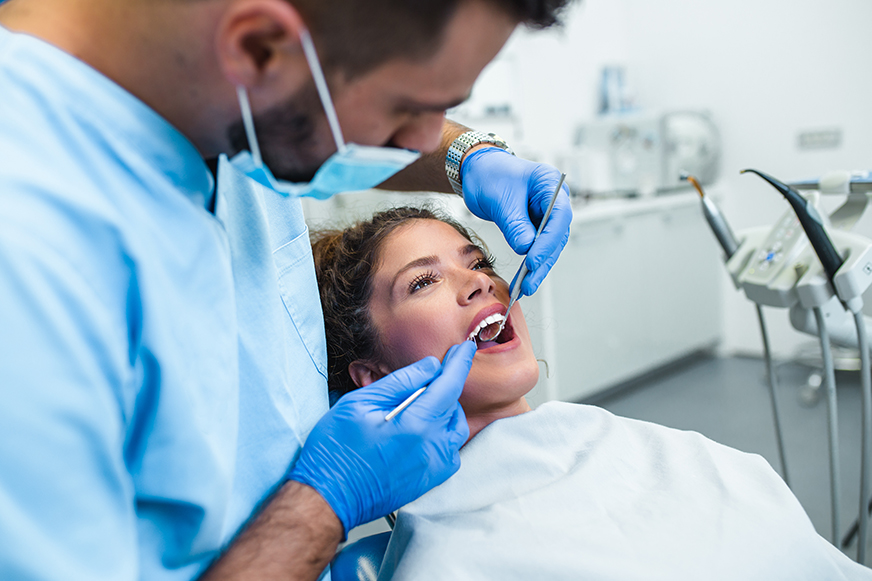
What Happens During Treatment
The goal is not to freeze the muscle or stop it from working. Instead, small doses help the muscle relax enough to reduce how hard you clench. You can still chew, speak, and smile the same way as before.
Most patients start to feel the effect within one to two weeks, and relief often lasts three to four months. After that, a follow up visit can help keep the benefits going. Every patient responds differently, so our team will talk about what to expect during your first visit.
Why Patients Consider Botox for Bruxism
Many patients try Botox when other treatments have not fully eased their symptoms. For example, some still have jaw pain even while wearing a night guard, and Botox may help by giving the muscle a break. Others notice that years of chronic clenching have made their jaw muscles larger, which can add to facial tension.
One reason Botox has grown in popularity is that it is quick, simple, and requires no downtime. Most patients can return to work or daily life right after the visit.
Who May Be a Good Candidate for Botox Treatment?
Botox is not the right choice for every patient, so a dental exam is always the first step. Our team will review your health history, check your teeth and jaw, and talk through your goals before recommending a treatment plan.
Factors That Support Candidacy
A few signs may show that Botox could be a good fit:
- Ongoing jaw pain or muscle tightness despite other treatments
- Little relief from a custom night guard alone
- Jaw muscles that look larger from years of clenching
- Good overall health with no medical reasons to avoid Botox
- Willingness to come back for routine follow ups
Situations That May Require a Different Approach
Some patients do better with other treatments. For example, if you have a bite alignment issue, you may need to see an orthodontist first. Other times, stress or sleep problems should be addressed before anything else. During your visit, we explain each option clearly. That way you can make the best choice for your care.
What to Expect During a Botox Visit
Butler Family Dental has served Eugene patients since 2014, and our team takes time to explain each step before treatment starts. Many patients feel better once they know what to expect, so we walk through the whole process clearly. Nothing feels rushed.
Before Treatment
A Botox visit starts with a review of your symptoms and health history. Our team checks your jaw muscles and helps decide if Botox is a good fit for your needs. We also go over the risks and side effects so you can make an informed choice.
During Treatment
The injections are done in our Eugene office and usually take only a few minutes. Most patients describe the sensation as a quick pinch. There is no sedation required, and you can return to your normal day right after the visit.
After Treatment
Some patients notice mild soreness or light bruising at the injection sites, which usually clears up within a few days. The full effect builds over one to two weeks, and during this time you may notice less jaw tightness and fewer morning headaches.
Follow up visits are simple and fit easily into your routine dental care.
Frequently Asked Questions About Botox for Bruxism
Can Botox help with TMJ pain as well?
Yes, in many cases. Botox is sometimes used to ease jaw pain linked to TMJ disorders, especially when muscle tension is part of the problem. Bruxism and TMJ often go hand in hand, and the same masseter muscle relaxation that helps with grinding can also reduce TMJ discomfort. A dental exam helps us decide whether Botox is the right tool for your situation.
Is Botox FDA approved for bruxism?
Botox is FDA approved for several medical uses, including chronic migraine and certain muscle spasm disorders. Its use for bruxism is considered “off label,” which means the FDA has not formally approved it for this condition even though many dentists and doctors use it this way with good results. Off label use is common in medicine and is legal when a trained provider determines it is appropriate for a patient.
Can I combine Botox with a night guard or other bruxism treatments?
Yes. Botox can reduce the muscle activity that causes grinding, but it does not replace the physical protection a night guard offers. In many cases, we use both together for the best results. Botox also works well alongside stress relief and physical therapy. During your visit, we review all the options and help you decide what may work best for your situation.
Schedule a Consultation at Butler Family Dental in Eugene
Chronic teeth grinding does not have to control your sleep or your comfort. When patients understand their options, relief feels closer. At Butler Family Dental, we walk you through every step so you feel informed before making a choice. Many patients searching for botox for bruxism just want clear answers first. That is where we begin.
We serve patients throughout Eugene and Springfield area. According to the Centers for Disease Control and Prevention, regular dental care supports both oral and overall health. Treating bruxism early helps protect your teeth and often allows you to avoid more complex care down the road.
If you want to find out whether Botox or another treatment may help, we would love to meet with you.
📞 Call or text (541) 485-6645 to schedule your consultation.
Ready to find relief from teeth grinding? Contact Butler Family Dental today to schedule your appointment and learn more about your treatment options.